Most Aussie players reckon a good bluff is all about the tell, but the real edge comes from knowing when the table lets you push. We’ve tested the usual suspects across smoky Newcastle rooms and quiet arvo sessions, and the pattern is defo consistent: timing beats theatricals every time. Before you stack your chips on a story, check the local rules and the house edge on the site you’re playing on. A fair game would have a zero house edge, yet casinos almost never offer one, so your bluff needs to work harder than the maths already does. If you’re sorting out where to play first, the licensing landscape matters more than the flashy lobby, and you can verify an operator’s standing at https://policasinoaustralia.org/en-AU before you commit any real cash.
When the Position Lets You Tell a Better Story
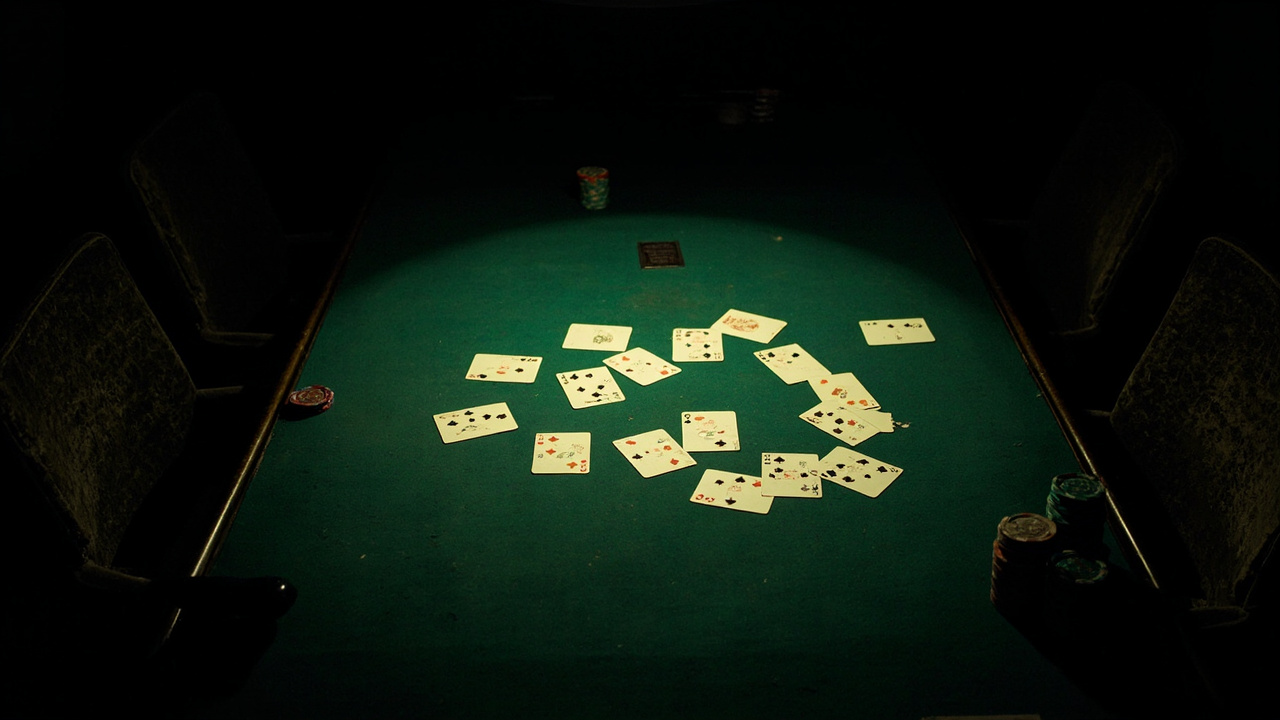
Bluffing works best when you’re last to act, because you’ve already watched how the others handle their hands. In late position, a well-timed raise on a dry board can fold out mediocre holdings without you needing to show down anything strong. The trick isn’t to bluff every time you miss; it’s to pick spots where your story reads true and the opposition has already shown weakness. I’ve seen plenty of players burn through a session by overdoing it on early positions, where the blinds and the pre-flop callers have already set a tone you can’t easily rewrite.
GTO play aims to be unexploitable, but that doesn’t mean you should run a robot-like frequency all night. A balanced range keeps you honest, yet table texture and player tendencies still dictate when you can lean into a semi-bluff. If you’re sitting across from tight regulars, a continuation bet on a coordinated board gets respect; against loose callers, you’re better off value-betting thin and saving your heat for later streets. Abigail Brown, Strategy Director, Great Southern Betting Review, puts it plainly: “Position gives you information first, and information is what turns a guess into a fold.” That’s the practical takeaway for anyone trying to make their bluffs land without tilting the whole table.
The board texture matters just as much as your seat. Scare cards that complete draws or pair the board can turn a harmless line into a credible threat, especially when you’ve shown discipline earlier in the hand. Don’t force a story on a wet board where multiple players have already called twice; the pot odds and the visible draws will eat your bluff alive. Instead, wait for a dry run where your bet size looks proportional and your opponents have already shown hesitation. That’s where the best texas holdem bluffing tips actually separate themselves from the noise.
A Mate’s Step-by-Step Guide to Reading the Table
If you’re completely new to this, don’t try to memorise a hundred scenarios before your first session. Start small, watch the hands unfold, and build a feel for when a bluff actually makes sense. Here’s how I’d walk a mate through it over a quiet arvo at the felt.
First, pick a table where the players are folding to continuation bets more often than they’re calling. You want room to manoeuvre, not a lobby full of calling stations who’ll happily chase every draw. Watch the first hour without throwing much at the board; note who raises pre-flop and who checks back too often. That observation pays off later when you’re deciding whether a story will land.Bikcasinogamesonline
Second, choose your spots by looking at the board and your own hand strength. A semi-bluff with a flush draw or an open-ended straight draw gives you two ways to win: your opponent folds, or you hit and stack them. That’s a far better line than bluffing pure air on a paired board where you can’t improve. Keep your bet sizes consistent so you don’t telegraph when you’re weak; a sudden overbet often reads as desperation rather than confidence.
Third, track your own frequency so you don’t become predictable. If you only bluff when you miss, observant opponents will catch on and call you down lighter. Mix in some value bets with your bluffs, and don’t be afraid to give up when the story stops making sense. Hannah Edwards, Affiliate Partnerships Director, Ironbark Compliance Advisory, notes that disciplined ranges keep players honest: “A balanced approach stops you from tipping your hand long before the river.” That’s the kind of habit that keeps a beginner from burning through a bankroll chasing a story that isn’t there.
Fourth, manage your session like you’d https://bedrock.eleganttesting.com/index.php/2026/08/22/adventure-themed-pokies-with-bonus-rounds-payments-and-fit-for-australian-players/ manage a budget. Set a stop point before you sit down, and don’t let a bad beat push you into reckless lines just to “get even”. A bluff is a tool, not a rescue plan. When you treat it like one, you’ll find the right moments come around more often, and the ones that don’t are easier to walk away from.
What the Local Scene Actually Looks Like
The practical side of playing well in Australia has less to do with psychology and more to do with knowing where you’re sitting and what the operator actually offers. Newcastle rooms and local clubs run their own rhythms, and the pace can shift fast once the weekend crowd rolls in. A busy as arvo session often brings tighter players who’d rather fold than chase, which changes how often a bluff lands. Weekday evenings tend to loosen up, and that’s when you need to be more careful about who’s calling and who’s actually paying attention.
The operators themselves vary in how they handle payments, currencies, and verification, and that affects how smoothly you can move money in and out. Most Aussie-facing sites run in AUD, with card and e-wallet options that process differently depending on the cashier flow. Deposits usually clear quickly, but withdrawals often run through a verification step first, and that’s where patience matters more than speed. Emily Patel, Payments Strategy Director, Outback Gaming Research, points out that the real friction shows up at the edges: “Verification timing and currency matching are where most players hit a wall, not the lobby itself.” That’s worth keeping in mind before you chase a big bluff and then wonder why the cashier feels slow.
Some venues also stack on extras that aren’t always obvious at first glance. The resort fee is a controversial extra daily charge added to many casino hotel bills, and it’s the kind of line item that sneaks into your session cost if you’re playing across a weekend stay. Bonus mechanics can look generous on the surface, but the wagering requirements and game restrictions often shape how useful they really are. Loyalty tiers usually reward regular play rather than big one-off swings, so the perks tend to favour consistency over hero calls. If you’re comparing operators, it helps to look at a broader set of titles and payment flows, and a handy reference like khám phá danh sách trò chơi casino tại vegas hero can give you a sense of how different lobbies stack up before you commit.
| Factor | What to watch for | Practical takeaway |
|---|---|---|
| Position | Late seat gives you last action | Bluff more when you’ve seen the others first |
| Board texture | Dry boards suit stories; wet boards favour draws | Avoid forcing bluffs where multiple draws exist |
| Player type | Tight folders fold; callers chase | Adjust frequency to who’s actually in the hand |
| Payment flow | AUD carts, verification before withdrawals | Don’t expect instant cashouts after big swings |
| Session cost | Resort fees and bonus terms add up | Read the fine print before you stack chips |
Bluffing well isn’t about acting; it’s about picking the right moment, reading the room, and knowing when the maths already has the edge. The best texas holdem bluffing tips keep you disciplined, position-aware, and honest about when a story won’t land. Play the table you’re in, not the one you wish you had, and let the folds come naturally.